Finasteride is widely used to treat male pattern hair loss. For many men, it can slow hair shedding and help maintain scalp coverage over time. But questions often arise when men who take finasteride begin thinking about fertility, conception, and family planning.
The concern is understandable. Finasteride changes hormone metabolism by reducing levels of dihydrotestosterone, or DHT. Since hormones influence reproductive function, some patients worry that finasteride could affect sperm quality, sexual function, or the chances of conception.
The evidence so far suggests that most healthy men taking finasteride do not become infertile. However, some studies and case reports suggest finasteride may affect semen parameters in certain individuals, especially men who already have fertility challenges or underlying reproductive issues.
The overall picture is more nuanced than either “completely safe” or “dangerous for fertility”.
How finasteride works
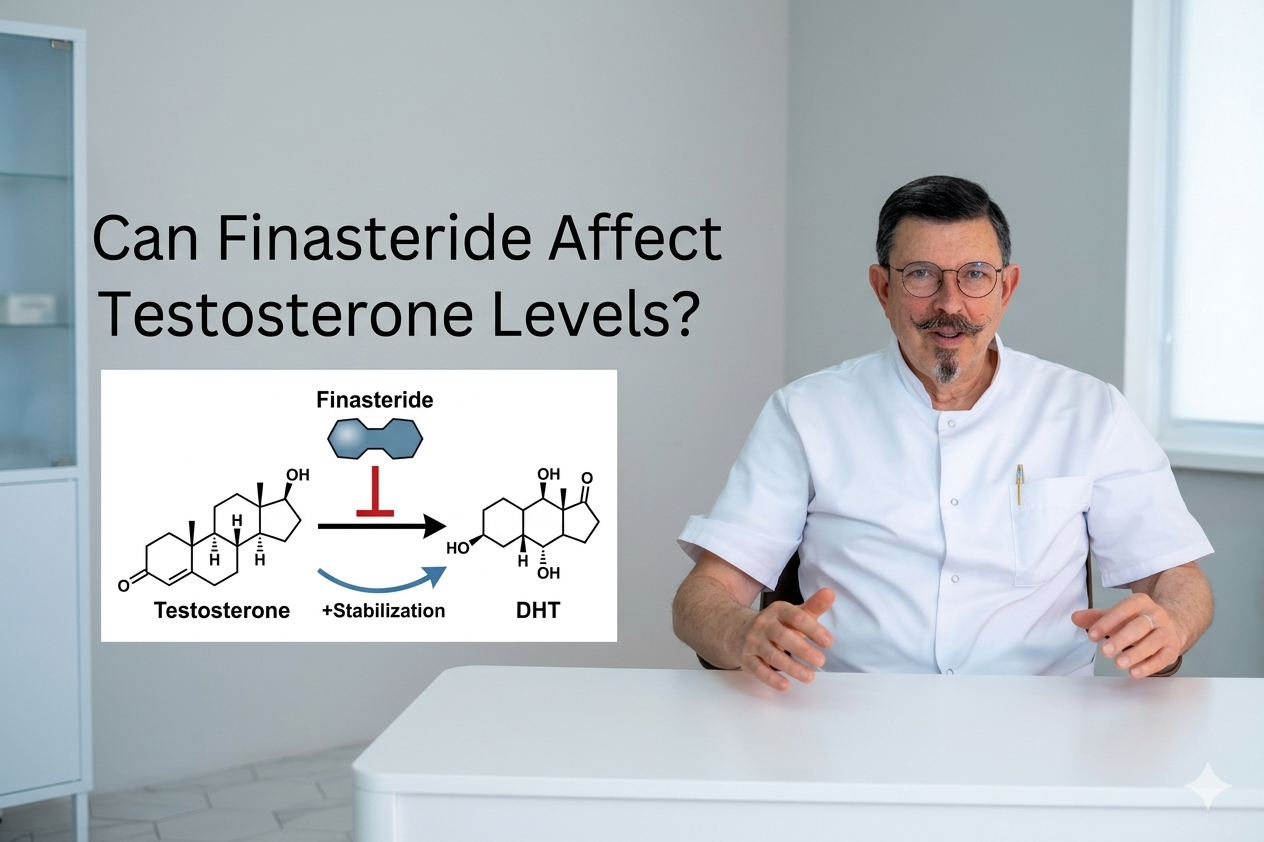
Finasteride blocks the enzyme 5 alpha reductase type 2. This enzyme converts testosterone into DHT.
DHT plays an important role in male pattern baldness and prostate growth. By lowering DHT levels, finasteride can reduce the progression of androgenetic alopecia in many men.
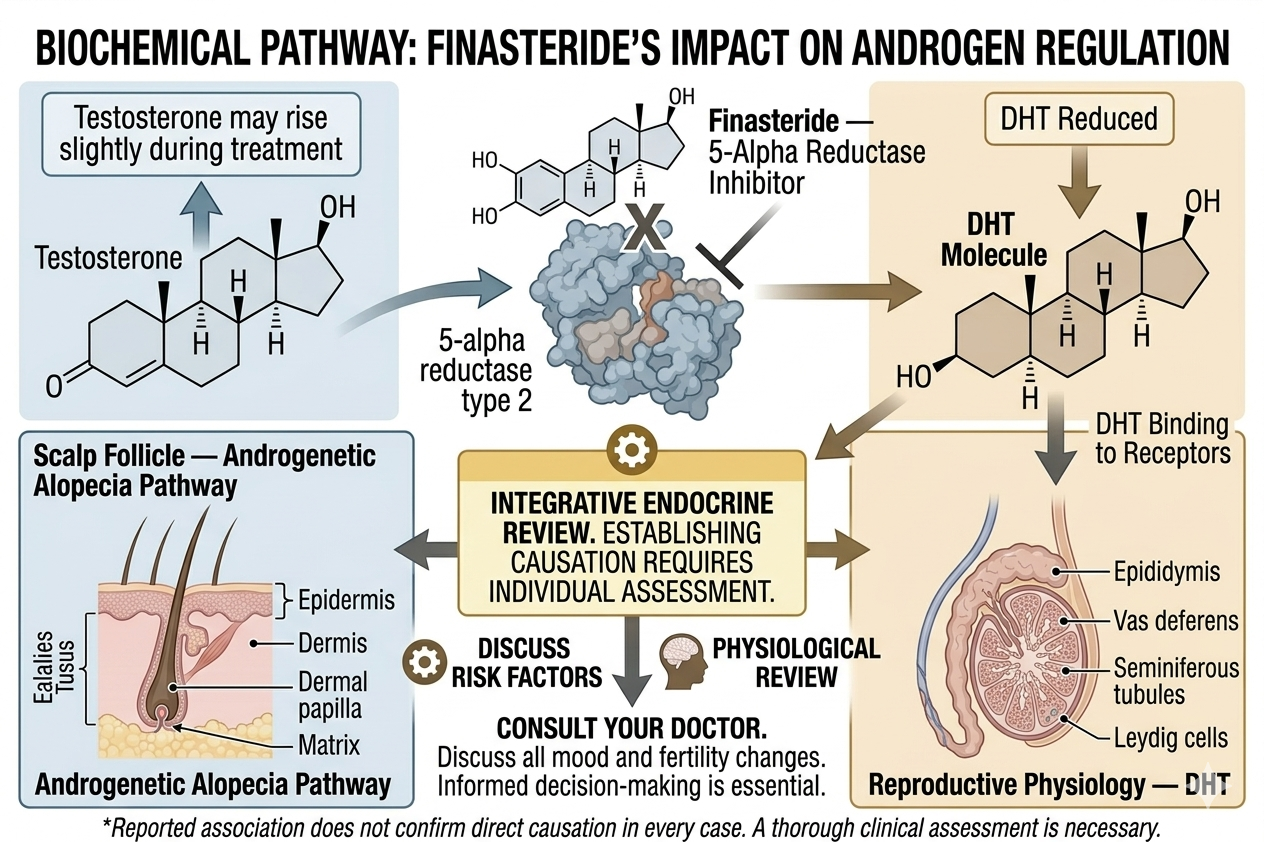
Finasteride does not usually lower testosterone into an abnormally low range. In fact, testosterone levels may rise slightly in some men during treatment. But because DHT is involved in parts of male reproductive physiology, researchers have investigated whether blocking it could influence fertility.
Can finasteride affect sperm quality?
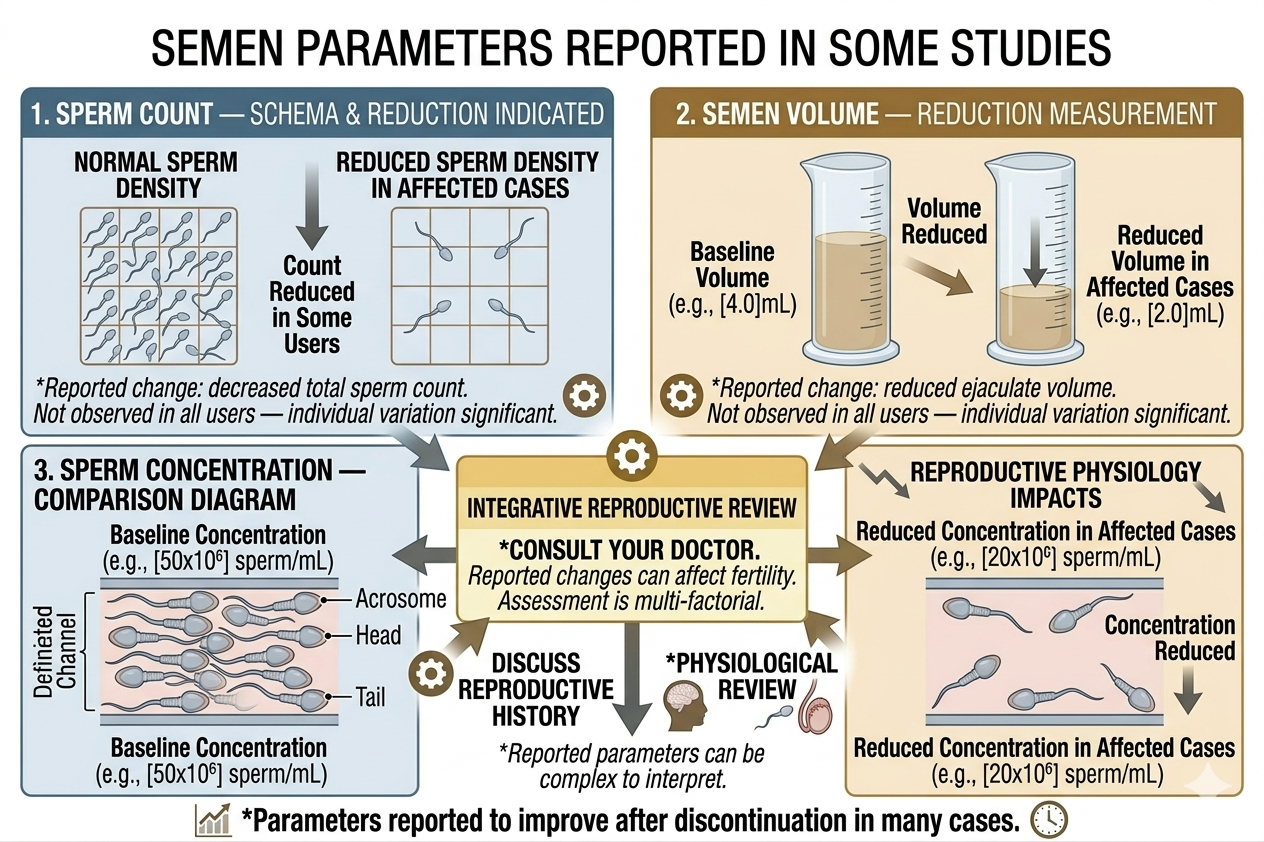
Some studies suggest finasteride may reduce certain semen parameters in a minority of men.
Reported changes have included lower sperm count, reduced semen volume, and reduced sperm concentration. In some cases, these changes improved after stopping the medication.
One important point is that many men taking finasteride show no clinically meaningful fertility problems at all. The available evidence does not suggest that every man using finasteride will develop abnormal semen results.
However, there appear to be some men who may be more sensitive to hormonal changes caused by the drug.
Men with pre existing fertility problems may deserve particular caution.
What studies have found
Research on finasteride and fertility has produced mixed findings.
Some clinical studies involving healthy men found little or no significant effect on sperm production at standard doses. Other reports described men attending fertility clinics who experienced reduced sperm counts while taking finasteride, with improvement after discontinuation.
One reason the evidence can seem confusing is that fertility is influenced by many factors besides medication. Age, smoking, alcohol intake, obesity, stress, testicular conditions, varicoceles, genetics, infections, heat exposure, anabolic steroid use, and underlying hormonal disorders can all affect sperm quality.
This makes it difficult to prove that finasteride alone caused a fertility problem in every reported case.
Still, enough observations have been published for many fertility specialists to consider finasteride relevant when evaluating unexplained low sperm counts.
Does the dose matter?
Possibly.
Finasteride 1 mg is commonly used for hair loss. Finasteride 5 mg is more often used for benign prostate enlargement.
Higher doses generally produce greater DHT suppression, although even the 1 mg dose substantially lowers DHT levels. Some researchers believe fertility effects, where they occur, may be more likely at higher doses or during longer treatment periods, but evidence remains limited.
Importantly, even men using the lower hair loss dose have occasionally reported changes in semen quality.
Are fertility changes reversible?
In many reported cases, semen parameters improved after finasteride was stopped.
This is reassuring, although improvement may not always be immediate. Sperm production follows a cycle that takes around two to three months. Because of this, recovery in sperm count or semen quality may take time after discontinuation.
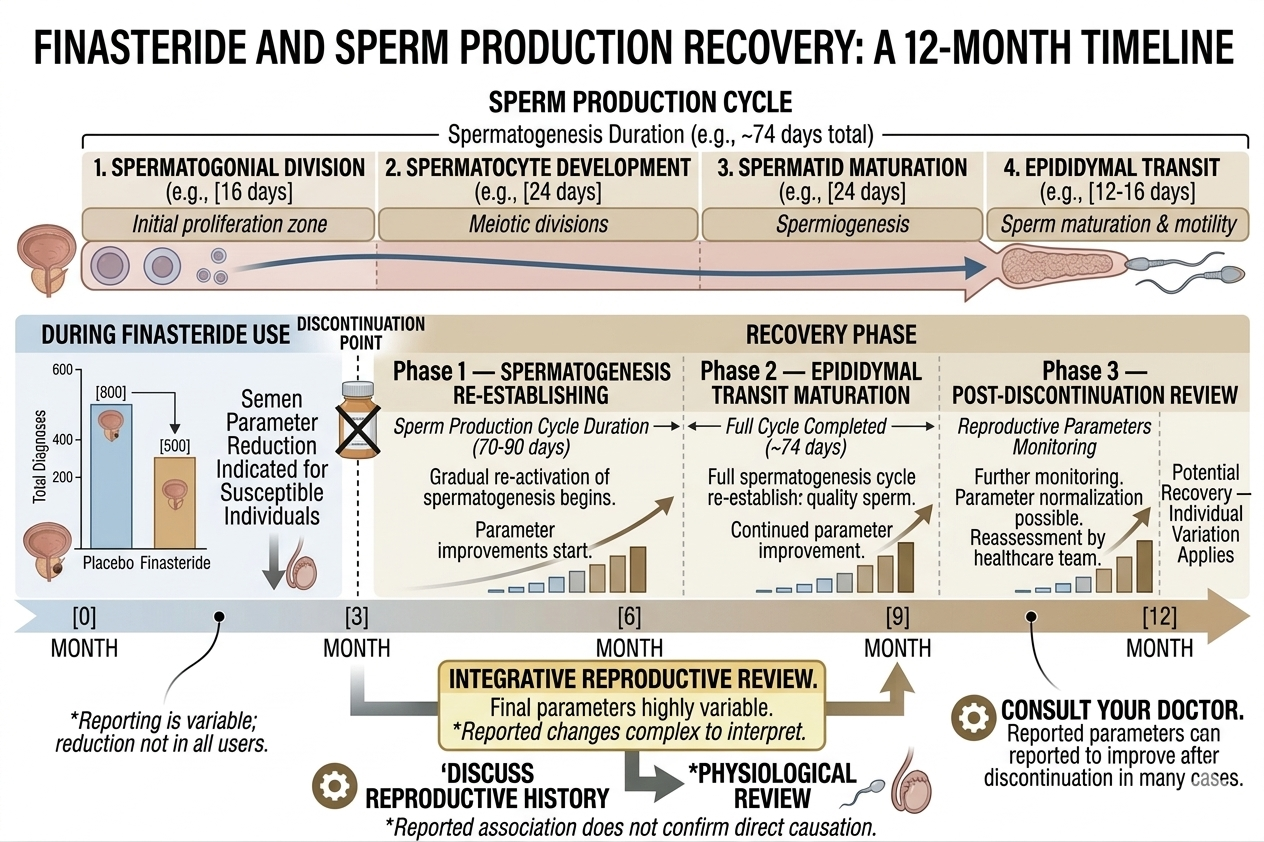
Not every fertility issue automatically resolves after stopping finasteride, especially if other contributing factors are present. But current evidence suggests that when finasteride contributes to reduced semen quality, the effect is often at least partly reversible.
Can finasteride cause permanent infertility?
There is currently no strong evidence that finasteride routinely causes permanent infertility in healthy men.
That said, medicine rarely deals in absolutes. Individual responses vary. Some men report prolonged sexual or reproductive symptoms after discontinuation, although the biological mechanisms and frequency remain debated.
Most published fertility concerns focus on reversible changes rather than irreversible sterility.
Still, because fertility is deeply personal and emotionally important, even a small possible risk deserves thoughtful discussion before treatment.
What about sexual side effects?
Finasteride can cause sexual side effects in some men. These may include lower libido, erectile difficulties, reduced ejaculate volume, or orgasm related changes.
Not all sexual side effects equal infertility. A man may have reduced sexual desire while still producing normal sperm. Conversely, a man may feel sexually normal while having abnormal semen parameters.
However, sexual function and fertility are related in practical terms. Difficulty with erections or ejaculation can affect conception attempts even if sperm quality itself is normal.
Regulatory agencies in Europe and elsewhere continue to monitor reports of persistent sexual and psychological side effects associated with finasteride.
Should men stop finasteride before trying for a baby?
There is no universal rule that every man must stop finasteride before conception attempts.
For healthy men without known fertility problems, some doctors may consider continued use reasonable after discussion of risks and uncertainties.
But certain situations deserve greater caution.
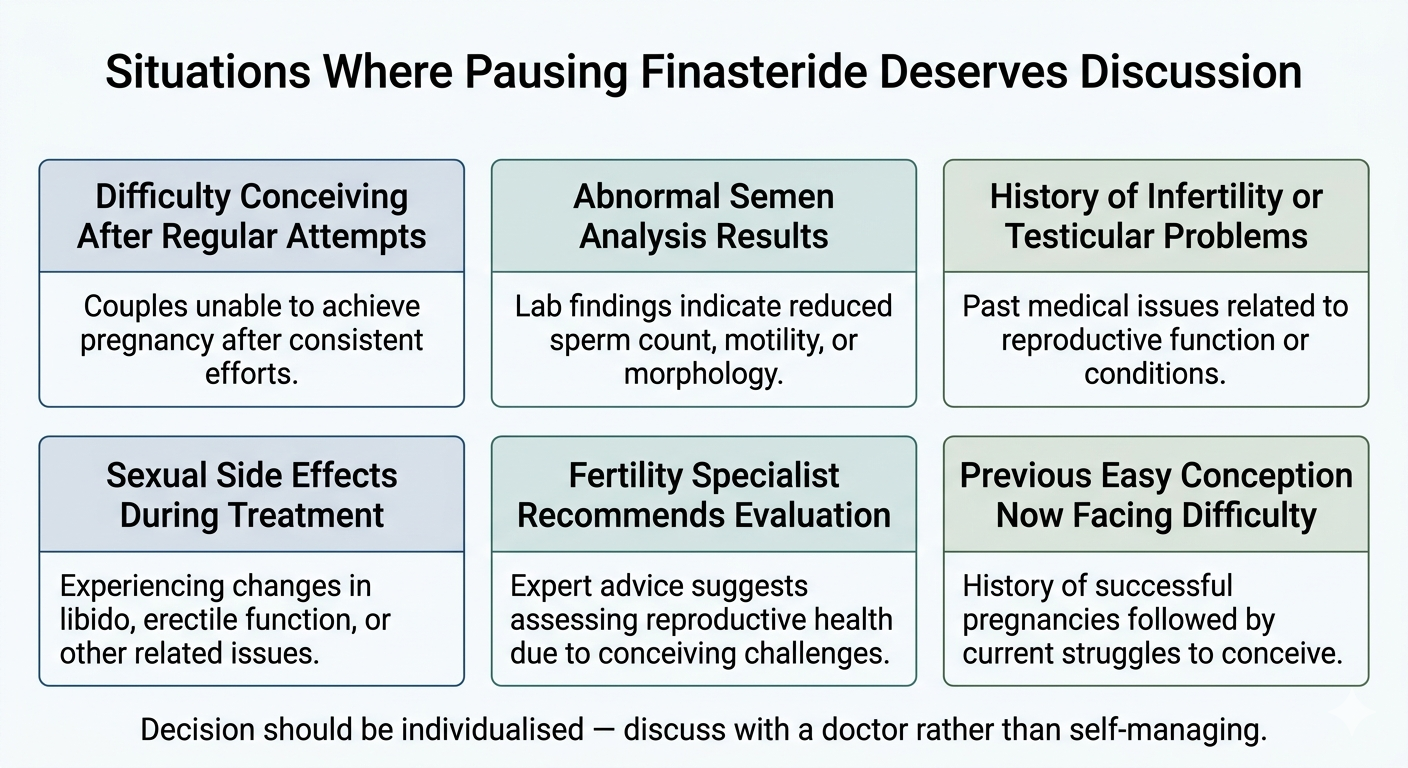
A man may wish to discuss pausing finasteride if:
- He and his partner have been struggling to conceive.
- A semen analysis shows low sperm count or poor sperm quality.
- He has a history of infertility or testicular problems.
- He previously fathered a child easily but now faces fertility difficulty.
- He develops sexual side effects while taking finasteride.
- A fertility specialist recommends discontinuation during evaluation.
In clinical practice, some fertility doctors advise stopping finasteride temporarily during fertility workups because of the possibility of reversible semen changes.
Can finasteride in semen harm a partner or baby?
The amount of finasteride present in semen appears to be extremely low.
Current evidence suggests exposure through semen during intercourse is unlikely to pose meaningful risk to a pregnant partner. However, pregnant women are advised not to handle crushed or broken finasteride tablets because finasteride can interfere with development of male fetal genitalia during pregnancy.
This warning mainly applies to direct medication exposure rather than semen transfer.
Still, caution and medical advice are reasonable during pregnancy planning.
What should men with hair loss balance when making decisions?
Hair loss treatment is elective. Fertility goals may feel more urgent and emotionally significant than maintaining hair density.
For some men, continuing finasteride while trying to conceive feels acceptable after medical discussion. For others, even a small uncertainty may justify stopping treatment temporarily.
The right decision depends on personal priorities, fertility history, age, relationship timing, degree of hair loss, and tolerance for uncertainty.
There is no perfect risk free answer.
Are there alternatives if fertility is a concern?
Some men exploring conception may consider alternative approaches during that period.
These may include topical treatments, non hormonal options, low level laser devices, cosmetic camouflage methods, or simply pausing medical treatment temporarily.
Topical finasteride has attracted attention because systemic absorption may be lower than with oral tablets, but research on fertility outcomes with topical formulations remains limited.
No treatment should be assumed completely risk free without evidence.
When to speak with a doctor
Medical advice is especially important if:
- You are actively trying to conceive.
- You have known fertility problems.
- Your semen analysis is abnormal.
- You experience erectile dysfunction, reduced libido, or ejaculation changes while taking finasteride.
- You have a history of undescended testes, varicocele, hormonal disorders, or testicular surgery.
- Your partner has undergone fertility evaluation and male factor infertility is suspected.
In these situations, stopping or continuing finasteride should ideally be part of an informed medical discussion rather than a guess based on online forums.
What the clinical evidence says in conclusion
Current evidence does not show that finasteride causes infertility in all men. Many users father children without difficulty while taking the medication. However, some studies and case reports suggest finasteride may negatively affect semen parameters in certain individuals, particularly men with existing fertility vulnerabilities.
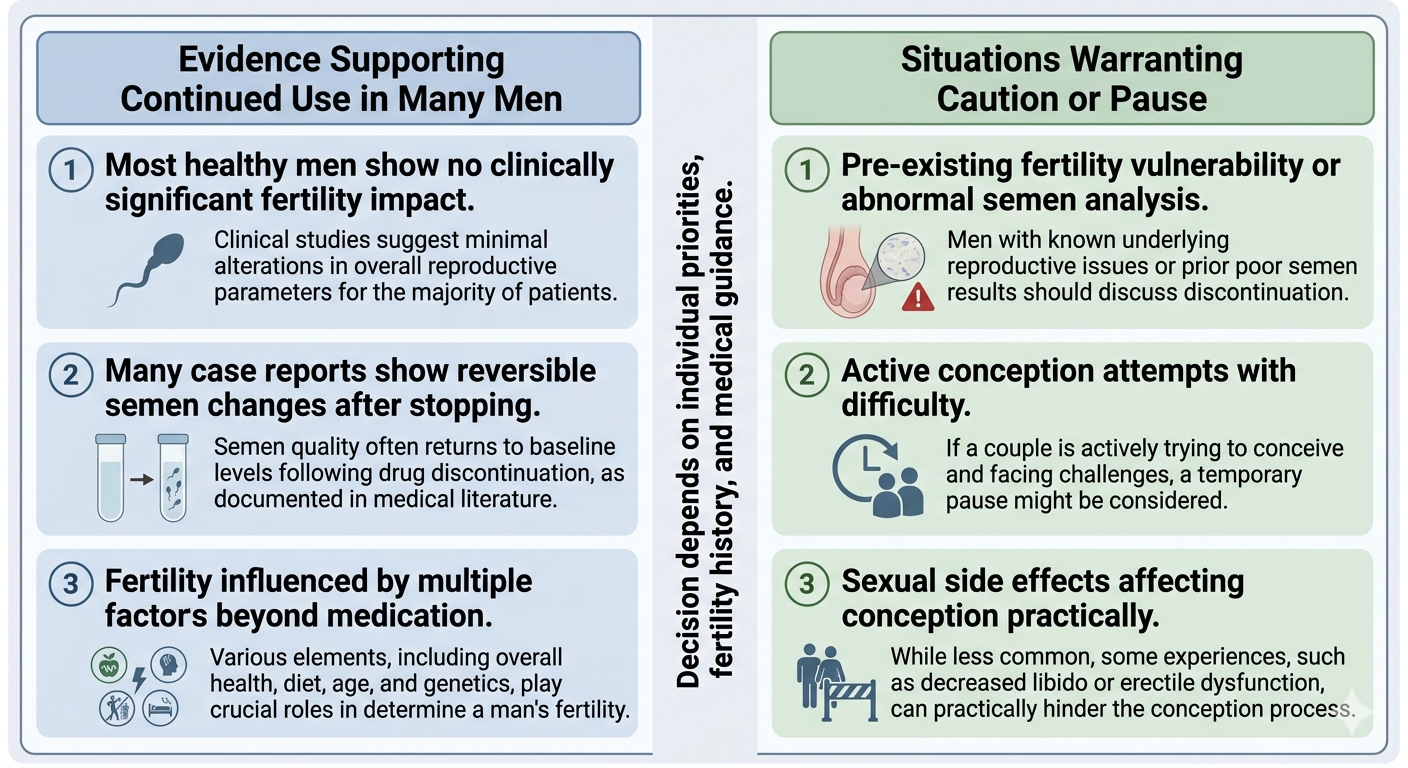
The available evidence suggests that these effects are often reversible after discontinuation, although recovery may take several months.
For men trying to conceive, the decision to continue or pause finasteride should be individualised. Hair loss treatment should always be balanced against reproductive priorities, side effect tolerance, and personal risk perception.
Finasteride remains an evidence based treatment for androgenetic alopecia, but like all hormone active medicines, it deserves careful and informed use.
Author: Dr. Priya Goswami
Medical review: Dr. Denis Broun
Next step
If you notice coverage changes without increased shedding, confirm what process is occurring.
Take the Hair Assessment to have a physician review your pattern, identify whether miniaturization is present, and determine appropriate staging and next steps.
Add Comment